
Memory Scripture
The LORD gave the word; great was the company of those who proclaimed it.
(Ps. 68:11)
God has worked through faithful people to spread His Word, emphasising the importance of obedience in sharing His message.
DEVOTIONAL BIBLE READINGS
Mon. 6: The Gospel Writers Record God’s Truth (Lk.1:1-4)
Tue. 7: The Scribes Carefully Preserve God’s Word (Jer. 36:1-4)
Wed, 8: The Pauline Letters Instruct The Churches (2Pet 3:15-16)
Thu. 9: The Prophets Declare God’s Divine Message (Isa. 6:8-9)
Fri. 10: The Priests Are Committed To Teaching The Scripture (Ezra 7:10)
Sat 11: The Church Spreads God’s Great Commission (Matt.28:19-20)
DEVOTIONAL THOUGHT
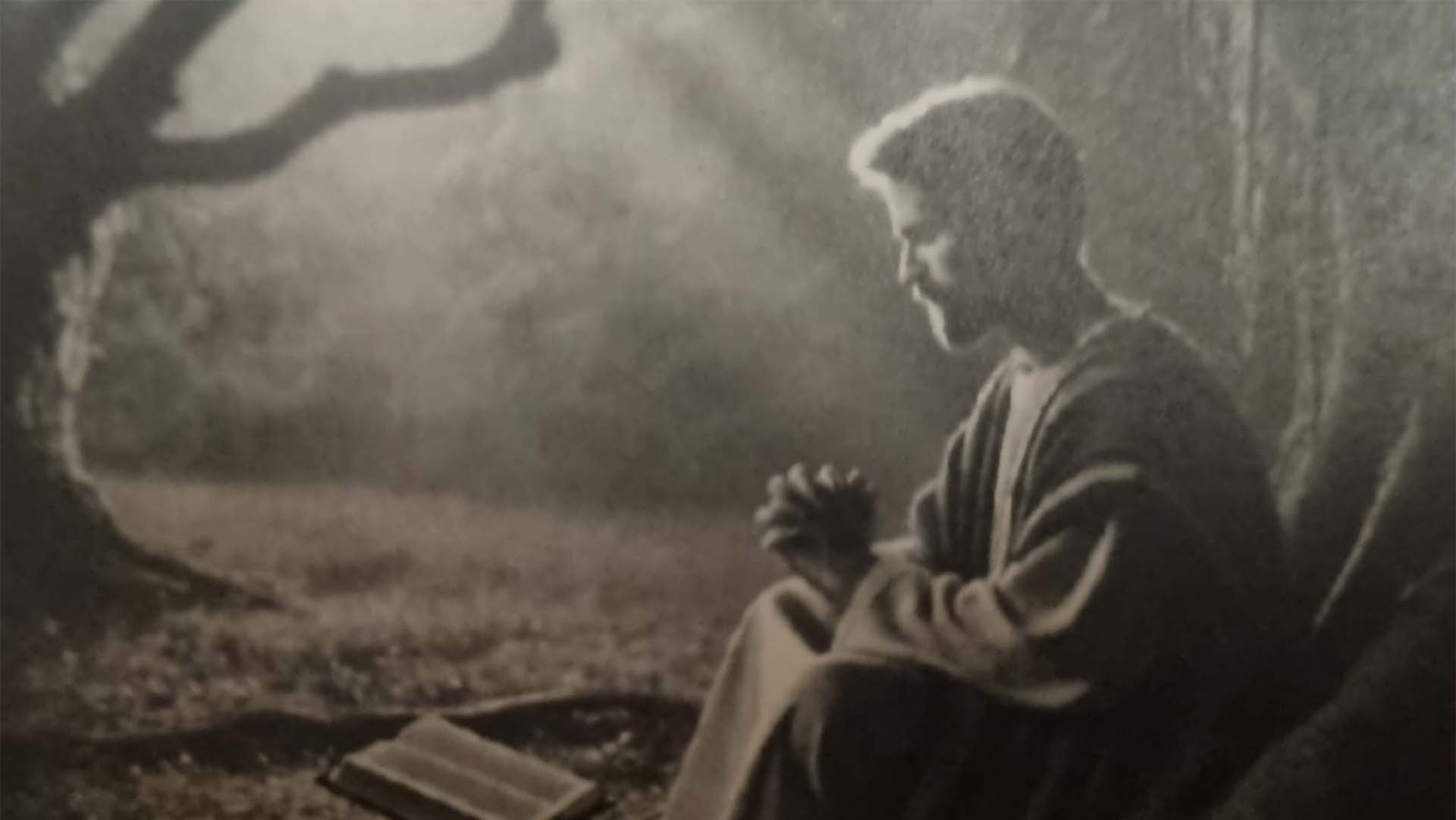
God, the Living Word, gave His life-giving Word and graciously tasks humans with proclaiming (publishing) it.
INTRODUCTION
TEXTUAL SOURCE: Exodus 34:27-28; Deuteronomy 6:7-9; 1 CHRONICLES 28:19; PSALM 68:11; 2 TIMOTHY 2:2
We give thanks to God for guiding us into another enriching lesson today. Last week, we focused on God’s Love Revealed Through Christ s Resurrection, where we explored resurrection as the ultimate testament to God’s love and His eternal promises for us. This week, we shift our focus to the significant roles human agents play in publishing and transmitting God’s Word.
The Bible is a unique and powerful book, written by over 40 human writers over thousands of years. Despite its human origins, the Scripture proclaims itself as the inspired Word of God. In this lesson, we will probe into how human agents-like Moses, David and the prophets–played key roles in recording and sharing God’s message. We shall also look at the deep collaboration pbetween God’s inspiration and the faithful work of His people in preserving and passing on His Word.
By the end of this lesson, we hope to have gained deeper understanding of how God has worked through human hands to
give us the Bible-making it a living transformative book for us all,today.
LESSON OUTLINE
- HOW THEY RECEIVE THE WORD
- HOW THEY TRANSMIT THE WORD
LESSON EXPOSITION
HOW THEY RECEIVE THE WORD (Exo. 34:27-28; 1 Chro.28:19;Ps.68:11)
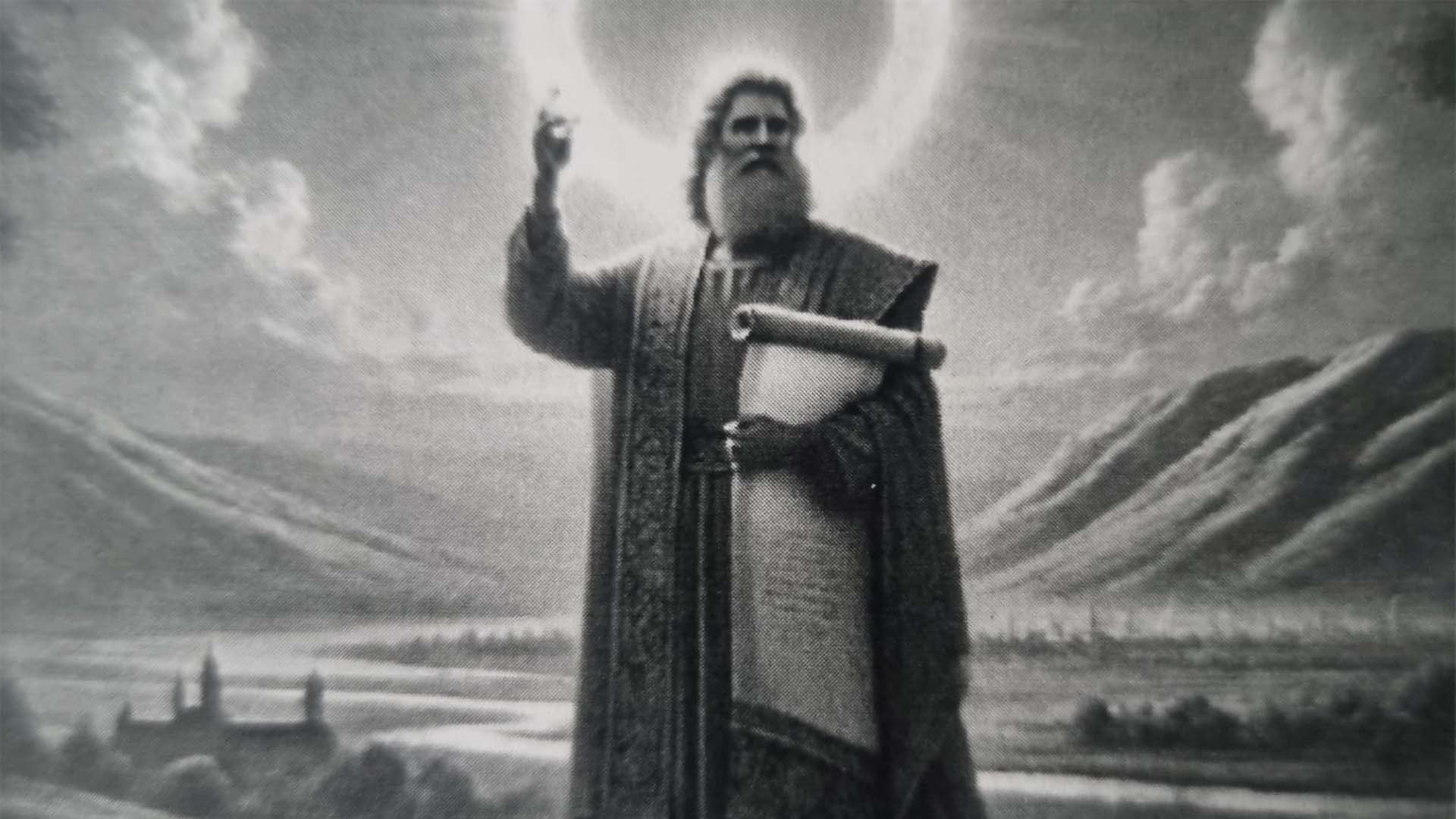
Then the LORD said to Moses, “Write these words, for according to the tenor of these words have made a covenant with you and with Israel”.
(Exo.34:27)
a) Exo. 34:27: God chose ordinary people to write His perfect Word. Though, they were imperfect, the Holy Spirit guided
them to record His truth faithfully (2 Pet. 1:20-21). It is a great privilege to be part of sharing God’s message.
b) God inspired the Bible writers but allowed them to express themselves through their own personalities and styles. This divine-human collaboration makes the Bible unique and trustworthy (2Tim. 3:16).
c) 1 Chro. 28:19: Moses, inspired by God, wrote the first 5 books of the Bible. Other writers like Joshua (Jos. 24:26) and Samuel (1 Sam. 10:25) also contributed key books about Israel’s history and God’s laws.
d) God used a range of people-prophets, kings, farmers, and even doctors like Luke-to write His Word. This shows how the Bible is a rich blend of divine wisdom, passed through human hands, hence its authenticity and reliability (2 Pet.1:20-21).
e) Ps.68:11: Here, we see the importance of both the reception and the proclamation of God’s Word. While God gave the Word, it was through human agents that it was received and shared.
HOW THEY TRANSMIT THE WORD (Deut. 6:7-9; 2 Tim.2:2)
You shall teach them diligently to your children, and shall talk of them when you sit in your house, when you walk by the way, when you lie down, and when you rise up.
(Deut. 6:7)
a) Deut. 6:7-9: God not only inspired the writing of His Word but also ensured it was passed down to future generations. This has always been a priority and it continues today (2 Pet. 1:21).
b) God’s Word was shared through both oral and written means. We thank God for the gift of writing, which allows us to preserve His Word (Exo. 24:12; 34:1).
c) v. 7: In Israel, parents were commanded to teach God’s Word to their children, making it a key part of daily life. This oral
tradition ensured that each generation knew and followed God’s commands.
d) v. 8-9: God instructed His people to write His Word on doorposts and frontlets, keeping it visible as a daily reminder to meditate on and foliow His command s.
e) God’s Word has been recorded on many materials over time, from stone tablets (Exo. 24:12; 34:1) to papyrus, scrolls,
books (Lk. 4:16-21), and even social media, today. Despite changes in technology, the core message has always
remained the same, keeping the Word accessible.
f) 2 Tim. 2:2 shows the importance of faithfully passing on God’s Word. This is what Paul charged Timothy to do -to
pass the message from generation to generation.
LESSONS DERIVED
- God used ordinary people to write His Word through the Holy Spirit, ensuring its truth. He can use us too.
- God’s Word, passed down orally and in writing, remains unchanged. We must faithfully share and preserve it.
QUESTIONS
- Why did God need uman beings in publishing and transmitting His Word, when He could do it alone?
- Identify he roles of human agents in publishing and transmitting God’s Word.